Christmas Traditions from Around the World
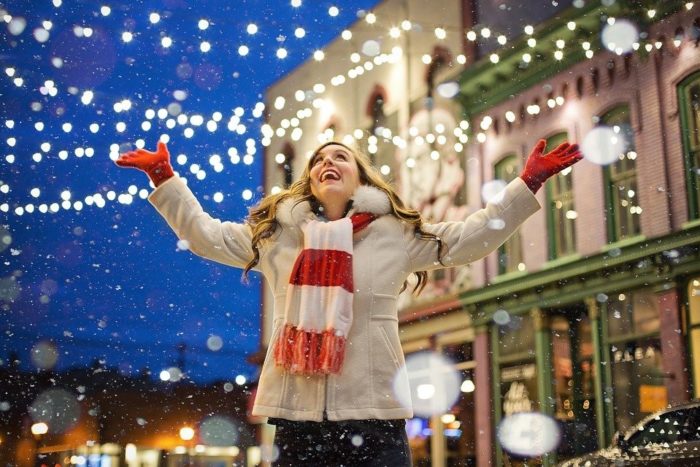
With the festive season well and truly upon us, we thought we’d share some festive traditions from around the world along with how to say “Merry Christmas” in each language.
Denmark
“Glædelig Jul”
In Denmark after dinner on the 24th of December and before opening any presents, family and friends will light candles on the Christmas tree, join hands, sing Christmas songs and walk around the tree.
As the legend goes, this was initially adopted to give Santa more time to deliver gifts.
Netherlands
“Vrolijk Kerstfeest”
On December 5th, in the Netherlands people celebrate Sinterklass (St.Nicholas) eve. This is to celebrate when Santa visits the home of every child in the country and leaves them gifts.
While Sinterklaas can be considered as the Dutch version of Santa, he is not a chubby character, rather he’s slim and tall, and wears a deeper red suit similar to religious robes.
Finland
“Buorit Juovllat”
In Finnish tradition, the old story goes that Santa Claus resides in the northern part of Finland called Korvatunturi (Lapland), just north of the Arctic Circle.
People from across the globe send letters to Santa in Finland, and Lapland is quite a popular tourist attraction.
France
“Joyeux Noël”
The evening of December 24th will be when French families sit together to celebrate Christmas and enjoy a range of festive foods and high quality wines.
This dinner is savoured and can last up to six hours.
Germany
“Frohe Weihnachten”
In some regions of Germany, there is a character known as “Knecht Ruprecht” or “Krampus”, who will accompany Nikolaus (St. Nicholas) on St Nicholas’s Day (6th of December).
He is described as a large, horned creature in rags and carrying chains, who comes around to punish the children who’ve been bad.
Italy
“Buon Natale”
On Christmas Eve, it’s commonplace in Italy that a meat and dairy-free meal is eaten; instead a small seafood meal is eaten before Midnight Mass.
The area of the country will largely dictate what kinds of fish will be present for the meal.
Japan
“Meri Kurisumasu”
(メリークリスマス)
It’s only in the past few decades that Christmas has been widely celebrated in Japan. Since there are very few Christians in Japan, it’s not celebrated as a religious occasion, but rather a time to spread joy.
However, a few Western traditions such as Christmas card and present exchanges are now quite popular.
Poland
“Wesołych Świąt”
In Poland, presents are brought by “Święty Mikołaj” (Santa Claus), but in some parts of Poland their version of Santa differs as the borders of Poland were different during the 19th century, so various traditions exist.
In the east, there’s “Dziadek Mróz” and “Gwiazdor” the Starman in western and northern Poland.
Portugal
“Feliz Natal”
Christmas trees are common in Portugal now, but up until the 1970s, they weren’t commonplace; the Nativity scene is the traditional decoration of Portugal.
Most families will have at least a small scene featuring the holy family and animals, although some families will have a whole host of different characters.
Spain
“Feliz Navidad”
In Spain, aside from Christmas, there is another festival that is celebrated called “Epiphany” on January 6th and is a celebration of the Christmas Story.
The festival marks when the Three Wise Men bestowed Jesus with magnificent gifts. Children do still have some presents on Christmas Day, but most are opened on January 6th.
Sweden
“God Jul”
One of many traditions at Christmas in Sweden involves sitting down on Christmas Eve to watch Donald Duck.
Every year since 1959, at precisely 3:00 pm, the TV station, TV1, airs the Disney special, “Kalle Anka och Hans vänner önskar God Jul” or ” Donald Duck and his friends wish you a Merry Christmas ” in English. It’s so popular that 40 to 50% of the Swedish population stop what they’re doing to watch it.
If you have any questions about anything we’ve covered in this blog, or you’d like more information about any of our other services, get in touch with us today.