Halloween Traditions Across the World
Although most of us regard Halloween as dressing up and trick-or-treating, some countries around the world celebrate Halloween traditions in very different ways to ourselves here in the UK – many of which are deeply associated with spirituality and religion.
In this blog, we’ll be taking a look at some of the most interesting traditions from all over the world.
Samhain
Ireland
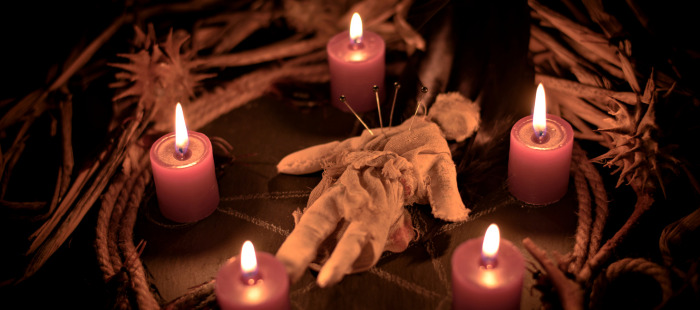
Ireland is considered to be the place where Halloween as we know it first originated, with ties to ancient Celtic and Pagan rituals and a festival called Samhain, which marked the end of the light half of the year.
These days, Ireland and Scotland mark Halloween with games, bonfires and a traditional Irish fruitcake called barmbrack, in which items such as buttons, coins and rings are placed to tell the fortune of those who receive it.
Day of Dracula
Romania
Halloween lovers from all over the world head to Romania to celebrate at Vlad The Impaler’s alleged home at Bran Castle in Transylvania.
Although the castle was never his home, and there has been much fierce debate over whether you even visited the site, there are tours and inclusive travel packages available to spend time in Dracula’s lair for Halloween.
Día de Muertos
Mexico
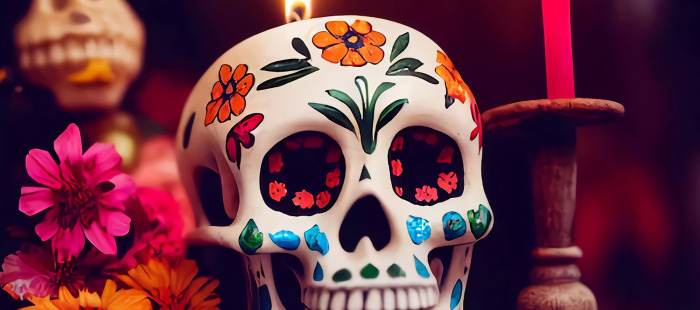
Would any Halloween traditions post be complete without covering Mexico’s famous Day of the Dead celebrations?
From November 1st to the 2nd, Mexico and other countries in Latin American celebrate Día de Muertos to commemorate those who have passed. The tradition centres around the idea that the Gates of Heaven open at the stroke of midnight on October 31st and the souls of lost children return to Earth to spend 24 hours with their families.
On the second day, November 2nd, the souls of deceased adults return to join in and celebrate the festivities.
Zaduszki
Poland
At the beginning of November, families all over Poland travel to cemeteries to visit the graves of family members that have passed away.
Zaduszny is the Polish name for All Souls’ Day; a Catholic event celebrated all over the world. The first day of the holiday is marked with candles, flowers and a showing of prayers for dearly departed relatives. On the second day, many families will attend requiem mass to pray for the souls of the dead.
Awuru Odo Festival
Nigeria
The Awuru Odo Festival honours the return of departed family and friends from the dead, back to the living. The festival is commemorated with music, banquets and costumes to celebrate the return of the spirits, who, it is believed, will remain for six months or so before returning to the spirit world.
Although the festival is an integral part of Nigerian culture, the festival only takes place every two years, when it is thought that the spirits return to Earth.
The Hungry Ghost Festival
Hong Kong
During the 15th day of the seventh lunar month, which typically falls between mid-August to mid-September, the people of Hong Kong commemorate the Hungry Ghost Festival.
In large parts of East Asia, many believe that the spirits become restless at this time of year and become lost in the world. The festival “feeds” the souls with all the food and money they require to exist peacefully in the afterlife.
Pchum Ben
Cambodia
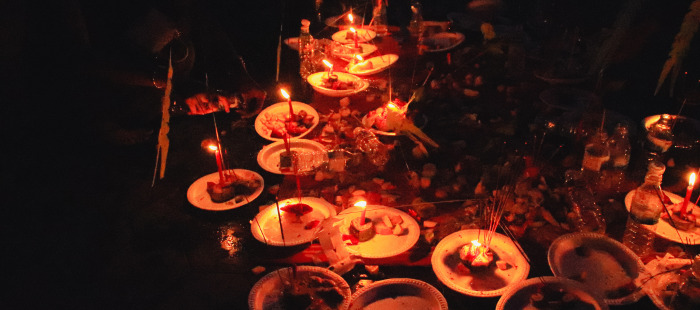
At the end of September to the middle of October, Buddhists in Cambodia gather to celebrate Pchum Ben, a religious event that celebrates up to seven generations of family members who have gone before.
Offerings of food, such as sticky rice and beans wrapped up in banana leaves, and baskets of flowers are common customs used to pay respects to deceased ancestors.
Ognissanti
Italy
All Saints’ Day, or Ognissanti, on November 1st is a nationally marked holiday in Italy. The festivities will usually begin a few days before November 1st, when people will leave fresh flowers on the graves of those closest to them, and those of complete strangers too.
Tributes are also paid to those who have passed when Italians place a red candle in their window sill at sunset and set a place at the table for the spirits they hope to see again.
Fed Gede
Haiti
Fed Gede, commonly referred to as “Festival of the Ancestors”, is a Voodoo celebration common in Haiti and other Voodoo communities across the globe.
Revellers take part by lighting candles, visiting the burial places of their ancestors and enjoying rum infused with chillies.
If you have any questions about anything we’ve covered in this blog, or you’d like more information about any of our other services, get in touch with us today.